
Killington “The Beast of the East” from a golfer’s perspective
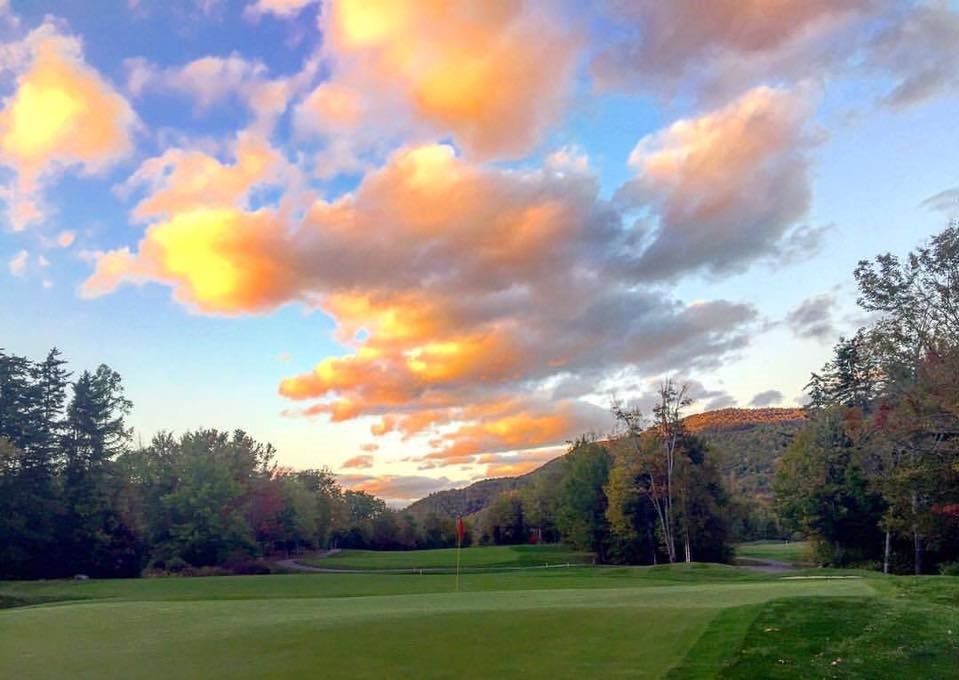
Photo provided by Green Mt. National
Why Killington, VT? Golfing in the Green Mountains , Why Not?
When most people think of Killington, they think of snow. It’s no surprise that Killington is one of the Northeast’s most popular ski destinations. But there’s a quieter, greener aspect to the mountain that’s really worth exploring… summer golf.
What first drew me back to Killington outside of winter was a corporate golf outing I organized. It was held at the Killington Golf Course, right next to the Killington Grand Hotel. That trip stuck with me. The combination of mountain scenery, post-golf activities, and surprisingly accessible public golf courses made me take a closer look at Killington as a terrific summer golf destination.
The area is part of the Green Mountains and is surrounded by seven peaks, including Killington Peak itself at 4,241 feet, which is the second-highest peak in Vermont, after Mount Mansfield. The mountain gives a dramatic and scenic backdrop to the area. But it’s not just about the views. There’s a healthy network of public access courses from within minutes up to a quick 30-45 minute drive, which says a lot about the local golf scene. When public play is strong, it usually means the area has a solid community of golfers.
Killington in the summer also retains much of the energy it’s known for in winter. Many restaurants, bars, and off-mountain activities that support the ski crowd are open when the snow melts and the grass turns green. Instead of après-ski, think après-golf. There’s plenty to do beyond the course, from mountain biking and hiking to appreciating music and attending events, as well as a distillery and brewery on the mountain, All keep the place hopping in the summer season.
If you’re considering a stay, there are plenty of places to choose from…hotels, lodges, Inns, and condo rentals. And if you’re up for exploring a bit, Killington is centrally located between Ludlow and Woodstock, two towns with their own charm and golf options. That gives you even more variety, all within a short drive.
I am sure you know that Mountain golf can be a bit of a challenge with sometimes dramatic elevation changes, tricky lies, and a variety of weather conditions, but it’s also something special. The views, the fresh air, and the quiet demonstrate that you are immersed in nature. For me, at least, it turns a regular round of golf into something much more.
Here I highlight four public courses worth checking out if you’re planning a visit. Two on the Mountain and two off.
Where is it
Killington
Killington is located in south-central Vermont, nestled in the Green Mountains of northern New England. It sits approximately 130 miles north of Boston, Massachusetts. The drive is about 2.5 to 3 hours.
The nearest city is Rutland, Vermont, which serves as the primary gateway to the area.
Killington is centered around Killington Peak, the second-highest summit in Vermont’s Green Mountains, offering a dramatic natural setting that defines the region’s character year-round.
A Bit of History
Killington History (Kind-of Short & Sweet)
Okay, I’ll try to keep this brief. The history here is genuinely fascinating to me, and I thought you might find it interesting too.
How did Killington evolve from a glacial landscape into a colonial settlement and eventually a true four-season resort? It’s been quite a journey, and yes, golf plays a meaningful role in that ongoing story.
Let’s start with the mountain itself. Killington, often called “The Beast of the East,” is a glacial giant shaped over hundreds of millions of years. Rising to 4,241 feet, it features six distinct peaks, making it the second-highest in Vermont’s Green Mountains. As part of one of the oldest mountain ranges in North America, it is said to be older than the Rockies, Alps, and Himalayas, that is a pretty remarkable. That kind of age and terrain doesn’t just shape great skiing and riding; it also creates uniquely challenging and memorable golf.
The nickname “Beast of the East” has become synonymous with Killington’s rugged character. While its exact origins are unclear, the name reflects the mountain’s demanding terrain, whether you’re on skis, a bike, or even in a golf cart.
As for the town, it was originally named Sherburne when it was chartered in 1761 by Benning Wentworth, the Royal Governor of New Hampshire. He granted the land to 68 proprietors and, in keeping with the customs of the time, reserved a parcel for himself. Land was also set aside for a church, a minister, and a school.
The original town name was “Sherburne” and it’s not definitively known why it was name that. It may have been inspired by English place names such as Sherborne (in Dorset) or Sherburn (in Yorkshire), which was a common naming practice at the time. Some accounts suggest it could have honored a Colonel Benjamin Sherburne of Rhode Island, though this connection has not been historically verified
Fast forward to 1958, when Preston Leete Smith—an avid skier and forward-thinking entrepreneur—founded Killington Resort. His vision was to make skiing accessible to a broader audience, not just the elite. By focusing on infrastructure, expansion, and early snowmaking innovation, he helped transform Killington into one of the premier ski destinations in the country.
Then came golf. In the 1980s, Smith and his Sherburne/SKI Limited organization commissioned noted golf course architect Geoffrey Cornish to design a course at Killington as part of a broader effort to expand beyond winter. The 18-hole course opened in 1984 and remains a true mountain golf experience. Set deep within the Green Mountains, it offers dramatic views, significant elevation changes, and a layout that is as challenging as it is scenic.
I can personally vouch that, Killington is a fun, interesting and beautiful place and is a town and a course you don’t want to miss.
Actually it wasn’t until 1999 that the town formally adopted the name Killington, aligning more closely with the mountain and its growing identity as a year-round destination. The name “Killington” itself may also have English roots, possibly derived from “Kellington” in Yorkshire.
Courses in the Area I have Reviewed…
I have reviewed and played 4 of the semi-private/public courses in the area…Fox Run GC, Green Mountain National, Killington Golf Course, Woodstock Golf Club.
Fox Run Golf Course
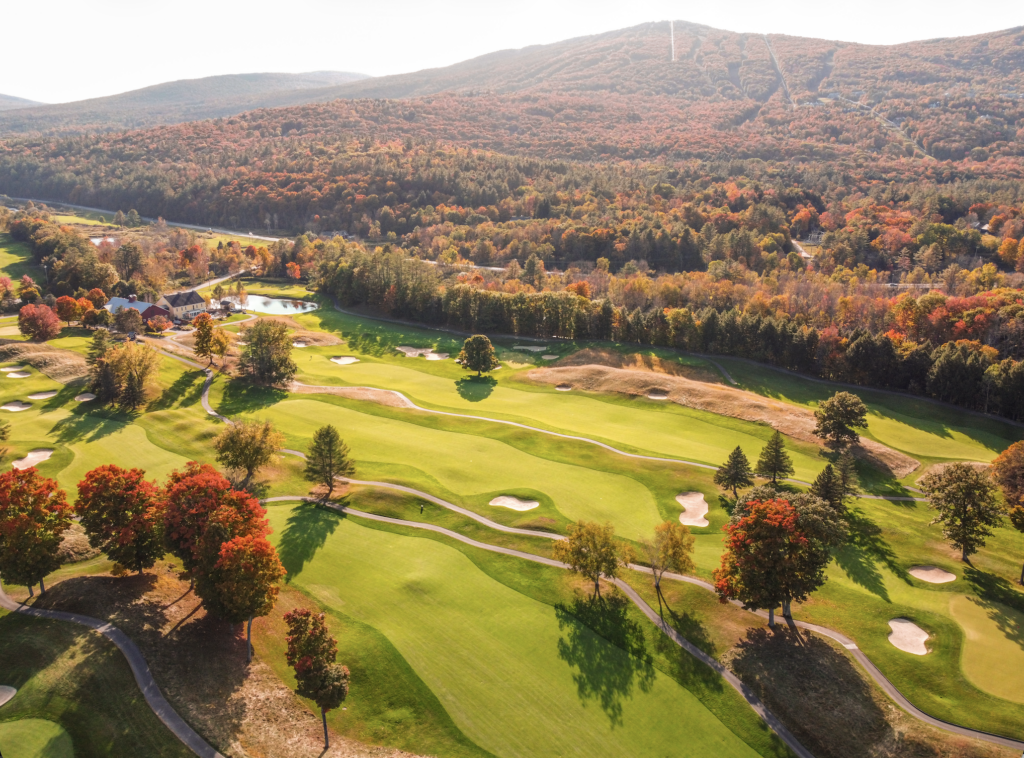
Photo compliments of Fox Run Golf Club
Fox Run Golf Course
89 Fox Ln Ext, Ludlow, VT 05149 -802) 228-1396
Although it sits at just about 1,067 feet above sea level, playing Fox Run Golf Club truly feels like a high-elevation experience. The setting in the Okemo Valley, framed by the surrounding Green Mountains, adds a dramatic backdrop as you take on the challenges of this thoughtfully designed course.
I played the course at the end of summer 2025, and the conditions were outstanding. The fairways are incredibly well kept, smooth, lush, and flowing with the natural shape of the land. Expect some uneven lies here and there, which add just enough unpredictability to keep things interesting. The greens are quick and full of character, with rolling contours, subtle slopes, and, in some spots, slopes steep enough to resemble inverted bowls. Precision is key; landing in the wrong spot can easily send your ball trickling off, and is not fun to watch.
The scenic value is just as compelling. No matter where you are on the course, you’re treated to sweeping mountain views, including spectacular sights of Okemo Mountain, particularly from the 16th hole. It’s one of those courses where you find yourself pausing between shots just to take it all in.
Elevation changes play a significant role in the layout, some subtle and others more dramatic. The holes wind through rolling fairways edged with natural fescue rough and framed by native vegetation, giving the course a wild, untamed beauty. While the fairways are relatively narrow, they’re thoughtfully designed with elevation shifts, water features, and well-positioned hazards. There are a few exhilarating carries over ponds or grassy hollows that add an extra layer of excitement.
What I really appreciated was how seamlessly the design fits into the landscape. It doesn’t feel forced; it feels like the course grew out of the land itself. Bunkers, water, and trees aren’t just there for challenge, they’re part of the visual experience. Every element seems placed to complement the natural terrain.
All in all, I absolutely loved this course. It’s beautiful, challenging, and unforgettable. It’s definitely one I’ll be returning to.
Fox Run – Course Details
Please note that the information presented here was compiled from public sources, including the Fox Run PRO SHOP. Please verify all rates and policies directly with the course, as they are subject to change.
Fox Run Golf Club
89 Fox Lane Ext, Ludlow, VT 05149
(802) 308-4236
Website: https://www.foxrungolfclubvt.com
Course Rating
The course received a 5-star rating from the New England Golf Guide around 2000. It was also recognized by Golfweek Magazine on its 2025 “Best Resort Courses” list, published on February 14, 2025. Additionally, The Burlington Free Press named it one of the best courses in the United States. In 2025–2026, Golf Digest ranked it 15th in Vermont on its “Best in State” list.
Course History & Design
The course’s story begins in 1969, when it opened as a 9-hole executive layout on 150 acres of the Moore family dairy farm in Ludlow. It was founded by Stan Johnson, a local resident. From 1977 to 1997, the course was owned and successfully operated by the Garvey family.
In 1997, Tim and Diane Mueller, owners of Okemo Mountain Resort, purchased the property and expanded it into an 18-hole championship course. Golf course architect Steve Durkee was hired to design and build the new layout.
In 2018, Vail Resorts acquired Okemo Mountain Resort and Okemo Valley Golf Club. The course was later sold in April 2021 to entrepreneur Troy Caruso, who restored its original name, Fox Run Golf Club. Under his ownership, significant improvements have been made, reaffirming Fox Run’s position as a premier golf destination.
Course Type
Public / Daily fee (with membership options available)
Course Style
Championship-style heathland course characterized by rolling terrain and moderate to significant elevation changes, enhancing both the challenge and visual appeal. The layout features wide fairways with strategically placed hazards.
Course Statistics (from their Scorecard)
Holes: 18, Par: 70
Black Tees: 6,540 yards | Slope 127 | USGA Rating 71.1
Blue Tees: 6,209 yards | Slope 125 | USGA Rating 69.3
White Tees: 5,838 yards | Slope 120 | USGA Rating 67.4
Red Tees: 5,273 yards | Slope 111 | USGA Rating 64.7
Gold/Red Tees: 4,585 yards | Slope 106 | USGA Rating 62.0
Tees
Five sets of tees ranging from 4,585 to 6,540 yards.
Grass Types
As best as can be determined:
Fairways: Bentgrass
Rough: Bentgrass
Greens: Bentgrass
GPS & Carts
Yes — all carts are equipped with GPS units, luxury seating, and USB ports.
Golf Season
May through November (weather permitting)
Dynamic Pricing
No
Rates Include
Green fee, cart fee, and applicable taxes.
Green Fees & Rates (Estimated)
Note: Rates vary based on day of the week, season, time of day, and whether you play 9 or 18 holes. For 9-hole and walking rates, refer to the official website. The following rates are based on the club’s 2025 published pricing. Check with the pro shop for current pricing.
May 23 – June 29 (18 Holes)
Monday Special (cart included): $79
Midweek (Tue–Thu): $82 + $32 cart
Weekends (Fri–Sun & Holidays): $102 + $32 cart
Twilight (after 3 PM): $84 + $32 cart
June 30 – October 14 (18 Holes)
Monday Special (cart included): $79
Midweek (Tue–Thu): $89 + $32 cart
Weekends (Fri–Sun & Holidays): $135 + $32 cart
Midweek Twilight (after 3 PM): $52 + $32 cart
Weekend Twilight (after 3 PM, excluding Saturday): $92 + $32 cart
October 14 – End of Season (18 Holes)
Midweek (Mon–Thu): $49 + $20 cart
Weekend (Fri–Sun): $69 + $20 cart
Twilight: $49 + $20 cart
Driving Range Fees
$7 for 25 balls
$12 for 50 balls
Hours:
Open daily from 7:00 AM to 6:00 PM
Wednesdays: closes at 5:00 PM (maintenance)
Thursdays: opens at 8:30 AM
Discounts
None
Walking Policy
Walking is allowed but not encouraged. It is restricted Friday–Sunday before 3 PM (policy subject to change in 2026).
Additional Requirements
A valid driver’s license is required to operate a golf cart.
Tee Time Booking
Tee times can be booked up to 60 days in advance via the official website. No online booking fee is charged. If no times appear available, a private event may be scheduled—check the events calendar or call the pro shop.
Cancellations & Changes
Must be made at least 24 hours in advance by phone or in person. Late cancellations may result in the full greens fee being charged to the card on file.
Practice Facilities
A 10-acre practice area featuring:
Full driving range
Putting green
4-hole short course
Pro Shop
Fully stocked with the latest golf equipment, technology, apparel, and accessories.
Golf School & Instruction
Offers a variety of instructional programs, including:
Private lessons with a PGA Professional
Clinics for women
Junior camps focused on fundamentals
Facilities include a driving range, chipping area, putting green, indoor practice center, and a 4-hole practice course.
Caddie Service
Not available
Dining & Entertainment
Calcutta’s Restaurant is open daily from 11:00 AM to 8:00 PM for lunch, dinner, and cocktails. The menu features American cuisine with an emphasis on fresh, local ingredients and global influences, including burgers, sandwiches, salads, and entrées.
Enjoy:
A spacious dining room
Outdoor patio seating overlooking the course
Scenic views of Okemo Mountain
Live music is offered on a rotating schedule after 5 PM (check the website for details). Sunday brunch is also available.
Bar
Full-service bar offering beer, wine, and cocktails. Check with operating times.
Course Maintenance
Aeration: Typically performed in late October (after Columbus Day; confirm with the course)
Overseeding: Conducted periodically (confirm with the course)
Dress Code
Collared shirts required. Denim, pants, or Bermuda shorts are permitted. Metal spikes are not allowed.
Alcohol Policy
Outside alcohol is prohibited. Only beverages purchased on-site are permitted.
Events & Group Outings
The club hosts a wide range of private and corporate events, including charity tournaments, weddings, reunions, and team-building outings.
The historic on-site barn, part of the original Fox Run property, can accommodate up to 150 guests.
Stay & Play Packages
Available through nearby partner properties, including Okemo Resort (Jackson Gore) and Echo Lake Inn. These packages combine lodging with golf access and may include discounted rates.
Bugs and Beasts
Bugs / Insects:
Black flies and deer flies are common in moist areas of Vermont during late spring and early summer. They are most active in the early morning and late afternoon. While annoying, they are usually not harmful.
Mosquitoes are prevalent during the warmer months, especially near wet or shaded areas.
Gnats and midges are small flying insects that may swarm in certain weather conditions, often near water or damp ground. They are generally more of a nuisance than a threat
Ticks are found in wooded, grassy, or brushy areas—particularly in rough terrain or near forest edges. It’s important to take proper precautions if venturing off fairways.
Wasps and bees may occasionally be present, especially near flowers, shrubs, and tee boxes.
Note: Use insect repellent containing DEET or picaridin, particularly during peak bug season (May through August).
Beasts to Avoid:
Black Bears occasionally roam forested areas near golf courses. If you encounter a bear, give it plenty of space and calmly leave the area.
Moose are large animals and can be unpredictable if startled. While rare on golf courses, sightings are possible in rural or mountainous areas of Vermont. If you see one, keep your distance and do not approach or feed it.
Coyotes may be spotted in the early morning or at dusk. They are not typically dangerous to humans, but you should still keep your distance.
Snakes are present, including a small number of venomous species (there are no poisonous snakes in Vermont). Use caution when searching for lost balls, first probe ahead with a club before reaching into tall grass or brush.
More commonly, you may encounter raccoons, rabbits, skunks, and squirrels. It is advised not to provoke or attempt to interact with any wildlife.
Green Mountain National 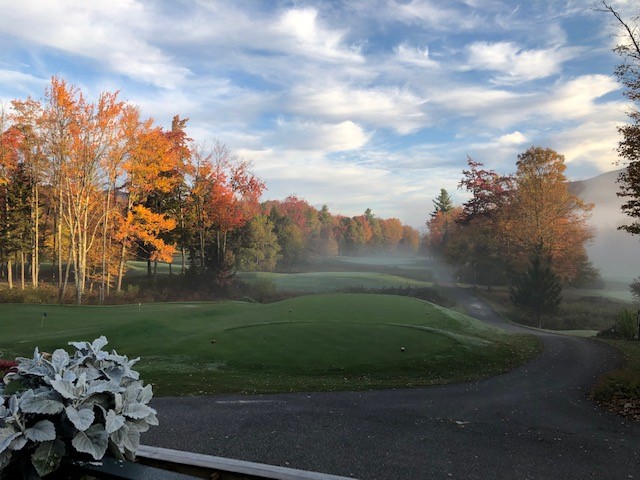
Photo Provided by Green Mountain National
Green Mountain National
I chose to play Green Mountain National based on strong local recommendations; several golfers in the area told me it was a must-play. So, I booked a tee time and headed out on a bright July day. It was a bit warm and hazy, with smoke from wildfires in Canada drifting through the region, but that didn’t take away from how beautiful the day, or the course itself was.
They were right: it’s a gorgeous track. I’ll admit, it wasn’t an easy round for me, but that’s part of what made it fun. The course demands strategy, you can’t just swing away without thinking. You really need a clear picture of where you want your drive to land. For me, it was a challenge worth taking on. The layout winds through dense Vermont forest, with thick trees climbing the surrounding mountainsides. The name suits it, this is very much a mountain course. The setting is pure Vermont, with natural beauty surrounding every hole. I kept imagining what this place must look like in October, with bright fall foliage. If you go, take a moment to pause and soak in the views, it’s worth it.
The course was designed by Gene Bates, with input from Steven Durkee. Between them, they’ve been involved in more than 150 golf projects worldwide. Bates’s design firm has worked on some impressive courses, including Circling Raven in Idaho; the Serapong Course at Sentosa in Singapore; The Canyons in Utah; and Bayonet & Black Horse in California. It’s a mix of resort and daily-fee courses, and from what I saw, they know how to balance playability with a high-quality experience.
You’re completely surrounded by the spectacular natural beauty of Green Mountain National, with no houses in sight. The course features numerous elevation changes, both off the tee and on approach shots. A couple of holes offer blind shots, which keep things interesting. I found the tee boxes thoughtfully designed, allowing players of all skill levels to find a comfortable place to play from. The fairways were in great shape, with some wide and inviting, others tighter and more demanding. You’ll notice a lot of subtle movement in the fairways, and staying in play is definitely rewarded. I guess that goes without saying. And the rough can be punishing, as it grabs and holds the ball. I also encountered a few sidehill lies, so be prepared for those. Scattered throughout the course are natural glacial rock formations that add character and occasionally come into play, along with native grasses and brush that edge into the fairways and protect them.
The greens, like the fairways, have plenty of contour. Some are quite large, while others are smaller and well-guarded. Most rolled true with a good amount of speed, so you’ll want to think carefully before each putt.
One thing I appreciated is that, although it’s a public course, it doesn’t feel that way. The conditions give it more of a private club atmosphere, and it’s clear the staff takes pride in what they offer.
All in all, Green Mountain National lived up to the praise from local friends, and then some.
Green Mountain National Golf Club – Course Details
Please note that the information presented here was compiled from public sources, including the Green Mountain PRO SHOP. Please verify all rates and policies directly with the course, as they are subject to change.
Green Mountain National Golf Club
476 Barrows Towne Rd, Killington, VT 05751 – Phone: 802-422-4653
Website: https://greenmountainnationalgolf.com/
Course Rating
Golf Digest recognized the course in its “New Places to Play” (circa 2002) with a 4.5 rating. Across several user-based platforms, it consistently ranks between 4.5 and 4.7. I concur.
Course Design
Designed by Gene Bates (1996), in collaboration with Steven Durkee. Bates had over 15 years of experience at the time, including serving as Vice President of Design & Construction Services for Jack Nicklaus Golf before opening his own golf course design company. And Stephen Durkee is associated with projects such as Okemo Valley Golf Club (1999) and the Dorset Field Club.
Course Type
Public / Municipal
Course Style
A mountain-style parkland course immersed in Vermont’s Green Mountain forest scenery. It offers a challenging but fair test of golf.
Course Statistics (from scorecard back tees)
Holes: 18, Par: 71, Yardage: 6,589 yards, USGA Rating: 72.5, Slope: 139
Tees
Five sets of tees ranging from 4,740 to 6,589 yards
Grass Types (best available information)
Fairways: Creeping bentgrass
Rough: Approximately 3″ Kentucky bluegrass and perennial ryegrass, with tall fescue
Greens: Bentgrass/Poa annua
GPS
Not available
Golf Season
Open early May through October (weather permitting)
Dynamic Pricing
Yes
Rates Include
Green fees include tax; cart fee is extra
Green Fees & Rates (Estimated – 2025)
Note: Prices vary by demand, day, and season. Contact the course directly for current rates.
Early Season (Spring: opening to mid-June, and late October)
18 holes: $75.00 (7 days/week)
Cart fee: $30 per person
Peak Season (mid-June through October)
Midweek (Mon–Thu): $95.00
Weekends (Fri–Sun & holidays): $115.00
Cart fee: $30 per person
Driving Range Fees
Small bucket (20 balls): $7
Large bucket (40 balls): $14
Hours generally align with tee times. The driving range closes early on Mondays for maintenance (last swing at 4 PM) and reopens Tuesday around 9 AM.
Discounts
Discounted green fees are available for Killington and Vermont residents (confirm with pro shop).
Walking Policy
Walking is allowed at a reduced rate, though the course terrain is quite hilly and can be physically demanding.
Tee Time Booking
Tee times can be booked up to 14 days in advance via the official website. A small online booking fee applies.
If no tee times appear available, it may be due to a scheduled event. Please check the events calendar or call the pro shop.
Cancellation Policy:
Changes or cancellations must be made at least 24 hours in advance by phone or in person. Failure to do so may result in the full green fee being charged to the card on file.
Practice Facilities – A strong practice setup, including:
Driving range with grass tees
Chipping and pitching area
Putting green
Pro Shop
They have a full-service pro shop. Although it is small and compact it is well-stocked with clubs, equipment, accessories, and a wide selection of apparel including shirts, gloves, hats, shorts, shoes, and socks for men and women.
Golf School
Affiliated with Bird Golf Academy. Their customized private instruction (1–2 students per professional) focuses on accelerated improvement with highly experienced instructors, including PGA professionals.
More info: https://www.birdgolf.com/c-locations/vermont-golf-school/
Golf Lessons
Yes they are available through Bird Golf Academy as well as an in-house teaching professional. Contact the pro shop for details.
Caddie Service
Not available
Restaurant & Food
Gracie’s Grille. This is a small but comfortable setting with excellent views overlooking the first tee. Offers breakfast sandwiches, hot dogs, smashed burgers, Philly cheesesteaks, and more.
Open seasonally (weather permitting), typically 7 days a week for breakfast and lunch.
Bar
Full-service bar open from 7 AM to close.
Beverage cart available on course Thursday through Sunday (weather permitting).
Course Maintenance
Aeration: Typically after closing in October (confirm exact timing with course)
Overseeding: Periodic (confirm exact timing with course)
Dress Code
Collared shirts required. Denim, pants, or Bermuda shorts permitted.
Metal spikes are not allowed.
Alcohol Policy
Outside alcohol is prohibited. Only beverages purchased on-site are permitted.
Events & Group Outings
Available for a wide range of events, including charity tournaments, corporate outings, weddings, reunions, and bachelor/bachelorette parties.
Group sizes typically range from 12 to 120 participants. Contact the pro shop for details and booking.
Bugs and Beasts
Bugs / Insects:
Black flies & deer flies: Common in moist areas of Vermont during late spring and early summer. Most active in the early morning and late afternoon. Annoying, but usually not harmful.
Mosquitoes: Present during the warmer months, especially near wet or shaded areas.
Gnats & Midges: Small flying insects that may swarm under certain weather conditions, often near water or damp ground. Typically more of a nuisance than a threat.
Ticks: Frequently found in wooded, grassy, or brushy areas, especially in rough terrain or near forest edges. Take care if venturing off the fairways.
Wasps & bees: Occasionally present, particularly around flowers, shrubs, and tee boxes.
Note: Use insect repellent containing DEET or picaridin, especially during peak bug season (May through August).
Beasts to Avoid:
Black Bears: Occasionally roam forested areas near golf courses. If you see a bear, give it plenty of space and calmly leave the area.
Moose: Large animals that can be unpredictable if startled. While rare on golf courses, sightings are possible in rural or mountainous areas of Vermont. Keep your distance and do not approach or feed them.
Coyotes: Sometimes seen in the early morning or at dusk. They are not typically dangerous to humans, but should be given space.
Snakes: There are no venomous (poisonous) snakes in Vermont. However, use caution when searching for lost balls—probe with a club rather than reaching blindly.
More commonly, you may encounter raccoons, rabbits, skunks, and squirrels. Do not provoke or approach wildlife.
Killington Golf Club
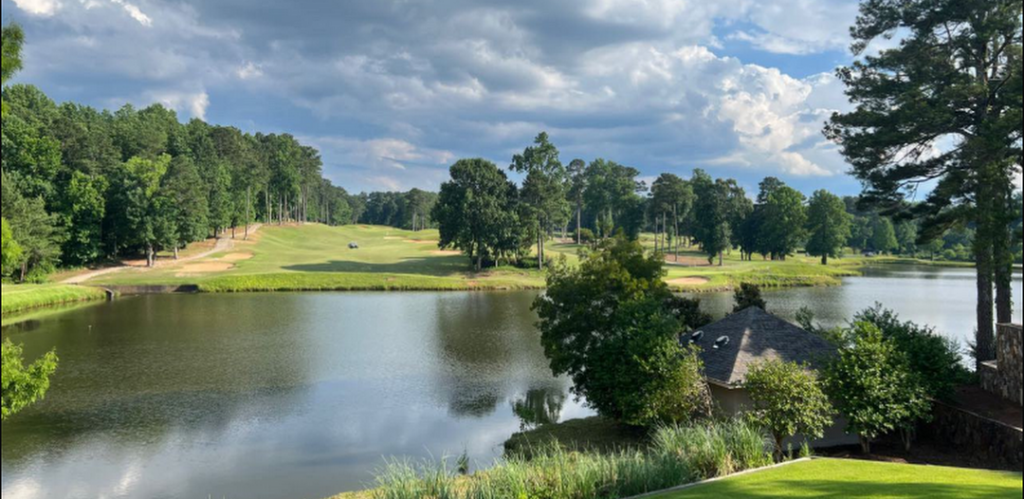 Photo provided by – Heritage Golf Club
Killington Resort Golf Course
Killington Resort Golf Club
4763 Killington Rd, Killington, Vermont, 05751-9746
I played the Killington Golf Course on Tuesday, July 29, ‘25 and I have to say, despite reading a few mixed reviews beforehand, I was pleasantly surprised by the conditions I experienced. While some comments about the cart paths being rough were accurate (they’re definitely bumpy and in need of attention), the rest of the course exceeded my expectations. It is a rough and rugged course.
The tee boxes were well maintained, and the fairways were in great shape despite the weeks of hot, dry weather Vermont was experiencing. They presented a real challenge, with a combination of narrow corridors and thoughtfully designed landing zones that required smart shot placement. The terrain plays a huge role here, this is unmistakably a mountain course. You’ll encounter dramatic elevation changes from tee to fairway and again from fairway to green, adding both visual appeal and complexity of play to each hole.
The greens where FAST. Really fast. Some were subtly contoured, while others featured more pronounced undulations that demanded close attention, and perhaps a bit of luck, especially if you’re not used to playing surfaces like that.
I played as a single and joined up with two great guys, Steve from Massachusetts and Rick from New York. They were exactly the kind of players I imagine frequenting this course, Both weere passionate about the game and appreciative of the beauty and challenge it offered. We had a fantastic time navigating the rugged layout together.
Designed by Geoffrey Cornish, the course makes excellent use of its natural surroundings. Snowmelt-fed streams and brooks weave through eight holes, adding both aesthetic charm and strategic complexity. Only two holes bring ponds into play, but water remains a consistent factor throughout the round. At an elevation of 2,000 feet, the views are nothing short of stunning from virtually every angle.
This 6,087-yard, par-72 championship course doesn’t rely solely on its scenery. Tight fairways bordered by native brush and fescue make precision off the tee essential. Some holes play sharply downhill, while others climb steeply uphill, keeping the round engaging and varied from start to finish.
Additional amenities include a 12,000-square-foot putting green, a practice bunker, and a full pro shop stocked with essentials.
Final tip: The cart paths are rough, seriously. They feel more like off-road trails in places, so drive carefully.
Killington – Course Details
Please note that the information presented here was compiled from public sources, including the Green Mountain Pro Shop. Please verify all rates and policies directly with the course, as they are subject to change.
Killington Golf Course
4763 Killington Rd, Killington, Vermont 05751-9746
(802) 422-6700
Website: killington.com
Course Rating:
GolfPass highlights user ratings of approximately 4.6 out of 5, with praise for course conditions, layout, scenic views, level of challenge, and narrow fairways.
Course Designer:
Geoffrey Cornish (1984)
Course Type:
Public resort
Course Style:
Mountain-style parkland course immersed in the scenic New England Green Mountains. The course offers a challenging layout at approximately 2,000 feet in elevation.
Course Stats (from scorecard):
Holes: 18, Par: 72, Yardage: 6,087 yards, Slope: 134, Rating: 70.2
Tees:
Four sets ranging from 4,554 to 6,087 yards
Grass Types (unconfirmed):
Fairways: Bentgrass
Rough: Approximately 3″ bluegrass and fescue
Greens: Bentgrass
GPS:
Not available
Golf Season:
May through November (weather permitting)
Dynamic Pricing:
No
Rates Include:
Green fees, cart fee, and applicable taxes (please check with pro shop for any changes
Green Fees & Rates (Estimated)
Note: Prices vary by demand, day of the week, time of day, and season. Contact the course directly for current rates.
Summer Rates (Age 19+):
Monday–Thursday: $74
Friday–Sunday & holidays: $90
Cart & Equipment Rentals:
Electric cart: $30
Push cart: $10
Wednesday Special:
$189 per foursome (includes carts)
For the most accurate and current pricing, especially during peak times, contact the course directly.
Practice Areas:
Large putting green, practice bunker, and a full pro shop. No driving range.
Discounts:
None listed
Walking Policy:
Walking is allowed at a reduced rate but is discouraged due to the terrain.
Additional Fees:
Valid driver’s license required for cart use
Power cart: $18 (18 holes, if not included)
Pull cart: $6
Club rental: $20 (availability may vary)
Tee Times & Policies
Tee Time Booking:
Tee times are available up to 7 days in advance. Walk-ins are accepted when space permits.
Cancellations & Changes:
Prepaid greens and cart fees may be canceled up to 24 hours before the tee time for a full refund. Cancellations within 24 hours are non-refundable.
Weather Policy (Rain Checks)
5 holes or fewer: Full rain check
6–15 holes: 9-hole rain check
16+ holes: No rain check
Rounds that begin in the rain are not eligible for a rain check
Practice Facilities:
Large putting green with chipping and pitching area
Pro Shop:
Small but fully stocked with clubs, equipment, accessories, and apparel, including shirts, gloves, hats, shorts, shoes, and socks for both men and women.
Golf School:
Information not available
Golf Lessons:
Information not available
Caddie Service:
Not available
Restaurant & Food:
Information not available
Bar:
Full-service bar open from 7:00 AM until close
Course Maintenance
Aeration: Typically early September (confirm with course)
Overseeding: Periodic (confirm with course)
Dress Code:
Collared shirts required. Denim, pants, or Bermuda shorts permitted. No metal spikes allowed.
Alcohol Policy:
Outside alcohol is prohibited. Only beverages purchased on-site are permitted.
Events & Group Outings:
Information not available
Stay & Play Packages:
Available through the Killington Grand Hotel: (802) 422-5001
Bugs and Beasts:
Bugs / Insects:
Black flies & deer flies: Common in moist areas of Vermont during late spring and early summer. Most active in the early morning and late afternoon. Annoying, but usually not harmful.
Mosquitoes: Present during the warmer months, especially near wet or shaded areas.
Gnats & midges: Small flying insects that may swarm under certain weather conditions, often near water or damp ground. Typically more of a nuisance than a threat.
Ticks: Frequently found in wooded, grassy, or brushy areas—especially in rough terrain or near forest edges. Take proper precautions if venturing off the fairways.
Wasps & bees: Occasionally present, particularly around flowers, shrubs, and tee boxes.
Note: Use insect repellent containing DEET or picaridin, especially during peak bug season (May through August).
Beasts to Avoid:
Black Bears: Occasionally roam forested areas near golf courses. If you see a bear, give it plenty of space and calmly leave the area.
Moose: Large animals that can be unpredictable if startled. While rare on golf courses, sightings are possible in rural or mountainous areas of Vermont. Keep your distance and do not approach or feed them.
Coyotes: Sometimes seen in the early morning or at dusk. They are not typically dangerous to humans, but should be given space.
Snakes: There are no venomous (poisonous) snakes in Vermont. However, use caution when searching for lost balls—probe with a club rather than reaching blindly.
More commonly, you may encounter raccoons, rabbits, skunks, and squirrels. Do not provoke or approach wildlife.
True Blue Golf Club
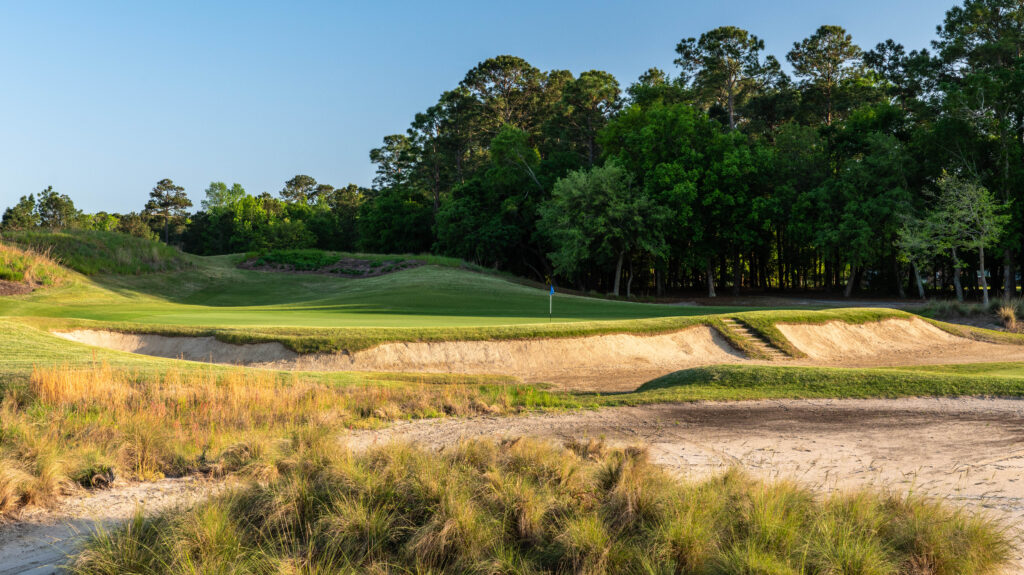 Photo provided by True Blue Golf Club
Woodstock Country Cub
Woodstock Country Club
6 South St, Woodstock, VT 05091 | (802) 457-6674
Golf Course Review
I played the course on October 1, 2025, with Tony and Jill from Sudbury. They were a delightful and fun couple to share the round with, exactly the kind of people you’d expect to meet here. Like the staff, they were welcoming and friendly, which added to the overall experience.
Here’s my take on the round and the course overall: I really enjoyed it. The design, terrain, and surrounding mountains are scenic and spectacular.
The course has a long and notable history. It was founded in 1895 and is recognized as the oldest public golf course in Vermont. Over the years, it has seen contributions from several architects, with the most recent redesign by Robert Trent Jones Sr. in 1961. The evolution of the course over time is fascinating and reflects the deep roots of golf in Woodstock. If you’re interested in the history, you can learn more here: https://www.historichotels.org/us/hotels-resorts/woodstock-inn-and-resort/golf.php
Design-wise, it offers a unique, classic resort-style layout. It has some “links-like” qualities, but without the coastal setting, no dunes or heavy winds. The course is relatively flat and somewhat tight. At the same time, it’s not a typical parkland course either. While it is inland, it isn’t carved directly through dense forest. Trees line most fairways and can certainly come into play if you miss off the tee, so accuracy is important.
Overall, it feels like a blend of links and parkland characteristics, borrowing elements from both. Robert Trent Jones Sr. clearly worked with the existing land and earlier designs, making excellent use of the natural terrain. A brook weaves throughout the course, and a lake comes into play on holes 12 and 13. You can also see how the layout builds on the work of earlier architects.
There are creative features, tricky carries, and subtle twists that require solid shot-making if you want to score well, again, I guess this goes without saying, but that’s not really the point. The real joy comes from playing such a beautiful and thoughtfully designed course.
The Kedron Valley, with its lush hillsides, creates a stunning setting. Mount Peg, rising about 1,020 feet above Woodstock, provides a panoramic backdrop. The course isn’t particularly long, so the design takes full advantage of the natural landscape, especially the Kedron Brook, which meanders across (and into) several holes, It presents a contnuous challenge. On a few, you’ll need to carry the brook to stay in play. The lake mentioned earlier is sizable and demands attention, particularly on holes 12 and 13.
It goes without saying, but I’ll say it anyway, you don’t need to be a long hitter. Like most well-designed courses, this one rewards accuracy over distance.
The fairways were in excellent condition when I played. The course rewards players who can shape shots, manage water hazards, and stay focused despite the constant distraction of beautiful views. It’s scenic, technically engaging, and above all, a great experience.
Woodstock CC – Course Details
Please note: The information below is based on my personal visit and publicly available sources, including the Woodstock Country Club pro shop. Rates and policies may change, so it’s best to verify details directly with the course.
Woodstock Country Club
76 South St, Woodstock, VT 05091 | (802) 457-6674
Website: https://www.woodstockinn.com/golf
This historic course is part of the Woodstock Inn & Resort.
Ratings
Golf Digest rates the course 3.8 out of 5 stars. GolfPass rates it 4.8 out of 5 stars based on 190+ reviews.Year Built: 1895
Course Architects:
William H. Tucker (1906), Wayne Stiles (1924), and Robert Trent Jones Sr. (multiple updates: 1963, 1969, 1975, 1987)
Course Type: Resort-style, open to the public
Course Style:
A blend of links-style and parkland characteristics set in a valley landscape. While not coastal, the course is relatively flat and incorporates natural terrain features, including creek crossings and subtle elevation changes. It’s surrounded by the scenic Green Mountain National Forest, creating both a beautiful and thoughtfully challenging layout.
Course Statistics (Back Tees)
Holes: 18, Par: 70, Yardage: 6,052 yards
USGA Rating: 70.1
Slope: 133
Tees
Blue Tees: 6,052 yards | Rating 70.1 | Slope 133
White Tees: 5,619 yards | Rating 68.3 | Slope 129
Gold Tees: 5,207 yards | Rating 66.1 | Slope 125
Red (Forward) Tees: 4,924 yards | Rating 69.4 | Slope 123
Grass Types (based on available information)
Fairways: Bentgrass
Rough: Approx. 3″ fescue/bluegrass blend
Greens: Bentgrass
Amenities & Features
GPS: Not available
Golf Season: Typically May 1 – October 31 (weather permitting)
Dynamic Pricing: Yes
Rates Include: Green fees, cart, and tax (Please check with pro shop for accuracy.
Green Fees (Estimated – 2025)
Rates vary by demand, day, and season. Contact the course directly for the most accurate pricing.
Shoulder Season (May 1–15):
$99 (Monday–Thursday)
$119 (Friday–Sunday & holidays)
9-hole rates are available online.
Practice Facilities
Driving Range: Yes — 10 hitting stations
Short Game Area & Putting Green: Available
Range Fees:
Small bucket: $10
Large bucket: $15
(Prices include tax and are open to the public.)
Policies & Services
Discounts:
Limited discounts may be available for local residents and military personnel (inquire at check-in).
Walking:
Allowed at a reduced rate (typically about $20 less than riding)
Push cart rental: $15
Tee Times:
Book online or by phone up to 7 days in advance
Cancellations:
At least 24 hours prior to play
Facilities
Clubhouse:
Includes the pro shop, locker rooms with showers, and the Fairway Grill
Pro Shop:
Fully stocked with equipment, accessories, and apparel for men and women, including clubs, gloves, hats, shoes, and more
Club Rentals:
18 holes: $75
9 holes: $55
(Advance reservations recommended.)
Instruction & Services
Golf Lessons:
Available (private and semi-private) with PGA professional Matthew Closter
Golf School: No
Caddie Service: No
Dining & Bar
Fairway Grill: (802) 457-6672
A casual, bistro-style setting with scenic course views. Menu includes sandwiches, burgers, salads, light plates, and seasonal items like a lobster roll, along with appetizers such as wings, nachos, and soup.
Hours:
In-season: 7 days a week, 11:00 AM – 4:00 PM (weather permitting)
Shoulder season: Friday–Sunday
Bar:
Full-service bar open from 11:00 AM to close
Beverage cart available Thursday–Sunday (weather permitting)
Course Maintenance
Aeration: Typically performed after the season (post–October 31)
Overseeding: Not routinely performed
Policies
Dress Code:
Collared shirts with pants or Bermuda shorts; no metal spikes
Alcohol Policy:
Outside alcohol is not permitted
Events & Outings
The course hosts a wide range of events, including corporate outings, charity tournaments, weddings, reunions, and group gatherings.
Group Size: 12 to 120 participants
Contact the pro shop for booking and additional details
Bugs and Beasts:
Bugs / Insects:
Black flies & deer flies: Common in moist areas of Vermont during late spring and early summer. Most active in the early morning and late afternoon. Annoying, but usually not harmful.
Mosquitoes: Present during the warmer months, especially near wet or shaded areas.
Gnats & midges: Small flying insects that may swarm under certain weather conditions, often near water or damp ground. Typically more of a nuisance than a threat.
Ticks: Frequently found in wooded, grassy, or brushy areas, especially in rough terrain or near forest edges. Take care if venturing off the fairways.
Wasps & bees: Occasionally present, particularly around flowers, shrubs, and tee boxes.
Note: Use insect repellent containing DEET or picaridin, especially during peak bug season (May through August).
Beasts to Avoid:
Black bears: Occasionally roam forested areas near golf courses. If you see a bear, give it plenty of space and calmly leave the area.
Moose: Large animals that can be unpredictable if startled. While rare on golf courses, sightings are possible in rural or mountainous areas of Vermont. Keep your distance and do not approach or feed them.
Coyotes: Sometimes seen in the early morning or at dusk. They are not typically dangerous to humans, but should be given space.
Snakes: There are no venomous (poisonous) snakes in Vermont. However, use caution when searching for lost balls—probe with a club rather than reaching blindly.
More commonly, you may encounter raccoons, rabbits, skunks, and squirrels. Do not provoke or approach wildlife.
Note this is Copy write protected Golf Vacations 2025 – All rights reserved.
Weather
In the Lowcountry South Carolina.
Best times to go to Pawleys: March, April, October, and September are the most favorable months to visit. However, these are also the most expensive times. Best rates – May, June, July, and August but they are the hottest and most humid.
Weather Recap: In general the climate is warm and temperate. The Island has a significant amount of rainfall during the year even during the driest month of November. The summer months: June, July, August, and September. Winter: December, January, February, and sometimes March is Winter in the Low Country. Along the coast there is significantly milder temperatures with little to no snowfall. Temperatures range from 40 to 60 degrees Fahrenheit..
Spring: March-May
Spring is a beautiful time of year with gorgeous weather and perfect temperatures.
Summer: June, July, August.
Summer is very warm and humid. It would be wise to wear a hat, light colored clothing, shorts, pack some sandals, and enjoy a dip in the beautiful cool ocean. Indulge is some Ice cream that is a food idea. And use sunscreen.
Fall: September, October, November
Fall in South Myrtle Beach is the time of year with cooler temperatures. The foliage is vibrant. Warm clothes should be considered most days. Cool nights a sweater or light jacket should be considered..
Winter: December, January, February
Winter time in the Low country. Temperatures range from 40 to 60 degree ands there is little to no snowfall. Dress accordingly.
Adverse Weather:
Rainfall: November is typically the driest month, and July tends to be the rainiest.
Tornadoes: South Carolina averages about 11 tornadoes annually, ranking 26th in the nation. They are generally mild and short-lived.
Thunderstorm and Hurricane Season: Early June to late November, with peak hurricane activity in late August and early September.
Notes – Weather info mainly from “South Carolina Weather Year Around” and NOAA.
Link to South Carolina Weather – https://www.dnr.sc.gov/climate/sco/Publications/SCClimateOverview.pdf
NOAAs Sunrise and Sunset tables.
(National Oceanographic and Atmospheric Administration) If you are considering a double round, you will need to know when to plan your first and second tee times so you can get your second round in before sunset.
Just put the below address into your Web Browser and then select the city closest to your destination.
Lodging
Lodging
10434 Ocean Hwy, Pawleys Island, SC 29585 – (843) 237-3030. – Reservation necessary
In Business since 1988. Great Bar and fine Steaks and Seafood. Franks is indoor dinning and Franks Outback is outdoor, but most covered. Our group ate in the Outback. Very comfortable and nicely laid back. I can attest the food and service was exceptional. Although I didn’t order the steak, and I should have. American, Seafood and International Menu.
Moe’s Original BBQ
12827 Ocean Hwy, Pawleys Island, SC 29585
(843) 237-8227 | Open 7 Days a week – Dine-in – Carry-out – Catering.
Moe’s Original BBQ first location. Low country rustic atmosphere, leisurely and laid-back. With an open kitchen and a full bar. They serve Alabama-style BBQ – Ribs, Chicken, Pulled pork, and southern sides. Seating inside, on the patio, or on the covered screened porches. t
Restaurants to Consider:
Not to forget Lowcountry cooking? A cuisine based on the land and resources of the area. Lowcountry food consists of famous dishes such as Frogmore Stew, Hoppin’ John, she-crab soup, and all kinds of fresh seafood to name a few. Beautiful, unique food.
Frank’s and Franks Outback
10434 Ocean Hwy, Pawleys Island, SC 29585 – (843) 237-3030. – Reservation necessary
In Business since 1988. Great Bar and fine Steaks and Seafood. Franks is indoor dinning and Franks Outback is outdoor, but most covered. Our group ate in the Outback. Very comfortable and nicely laid back. I can attest the food and service was exceptional. Although I didn’t order the steak, and I should have. American, Seafood and International Menu.
Moe’s Original BBQ
12827 Ocean Hwy, Pawleys Island, SC 29585
(843) 237-8227 | Open 7 Days a week – Dine-in – Carry-out – Catering.
Moe’s Original BBQ first location. Low country rustic atmosphere, leisurely and laid-back. With an open kitchen and a full bar. They serve Alabama-style BBQ – Ribs, Chicken, Pulled pork, and southern sides. Seating inside, on the patio, or on the covered screened porches. t
Things to do or discover:
Hunt down the legend of the Gray Man
He is the ghost of a young man traveling from Charleston to see his fiancée in 1822. On the way, he and his horse were caught in quicksand-like pluff mud in the marshes before Pawley’s Island and died. It is said his spirit has haunted the shore nearby ever since. He is said to be still looking for the girl he loves.
Beach it
Pawleys Island beaches are the best and are a sun-seekers paradise. The beaches have soft white sand, and the ocean is crystal clear. Pawleys Island has the largest free public beach access lot in Georgetown County, located on the south end of the island. In addition, there are 8 other public beach access points on the island, which offer visitors the use of approximately.
Discover the Original Hammock Shop
Hammock Shops Village: Check out Rope Hammocks originally designed by Riverboat captain Joshua John Ward to sleep cooler instead of traditional hot canvas – sometime in the late 1800s. They are made of loosely woven cotton or now nylon. It’s now one of the most popular hammock brands in the country, and his descendants still operate it.
Shelling
The best shelling in the area is North Island, near the entrance to Winyah Bay in Georgetown. The island can only be reached by boat, and the beach is usually covered with shells. Lowcountry Plantation Tours offers an excellent tour out to the island and includes a generous amount of time for folks to stroll the beach and collect shells.
Fishing Pawleys Creek
This can be very productive for flounder, trout, and redfish. However, it is a very shallow creek, so many folks choose to fish from a kayak, john boat, or from land, which makes it an ideal location for a family fishing outing. The public can access fishing areas on the North and South end of Pawleys Island, where parking is available. For more information about fishing in Pawleys Island, stop by and talk to the staff at Pawleys Island Outdoors. They are very helpful and will assist you with getting the right tackle and rigs for the type of fishing you want to do on Pawleys Island.
https://carolinaguideservice.com/pawleys-island-fishing-charters/
How to get there:
Myrtle Beach International Airport.
There are 10 airlines that service MYR, and 50 destinations in North America offer nonstop service. As of this writing Allegiant, American, Avelo, Breeze, Delta, Frontier, Southwest, Spirit, Sun Country and United service MYR.
Link To: Myrtle Beach International Airport has one of these airlines.
Drive time from Myrtle Beach International Airport to Pawleys
Depending on the time of year and traffic, It takes approximately 35 minutes to drive the 23 miles from Myrtle Beach to Pawleys Island.
Charleston International Airport is another option
There are 13 airlines that service CHS, and 50 destinations in North America offer nonstop service. As of this writing – Alaska, Air Canada, Allegiant, American, Avelo, Breeze, Delta, Frontier, Jet Blue, Southwest, Spirit, Sun Country, United service CHS.
Link to airlines: https://www.iflychs.com/Airlines
Drive time from Charleston International Airport to Pawleys
About 80 miles, and depending on the time of year and traffic, It will take approximately 1hr 47min to drive from Charleston Airport (CHS) to Pawleys Island via N Hwy 1